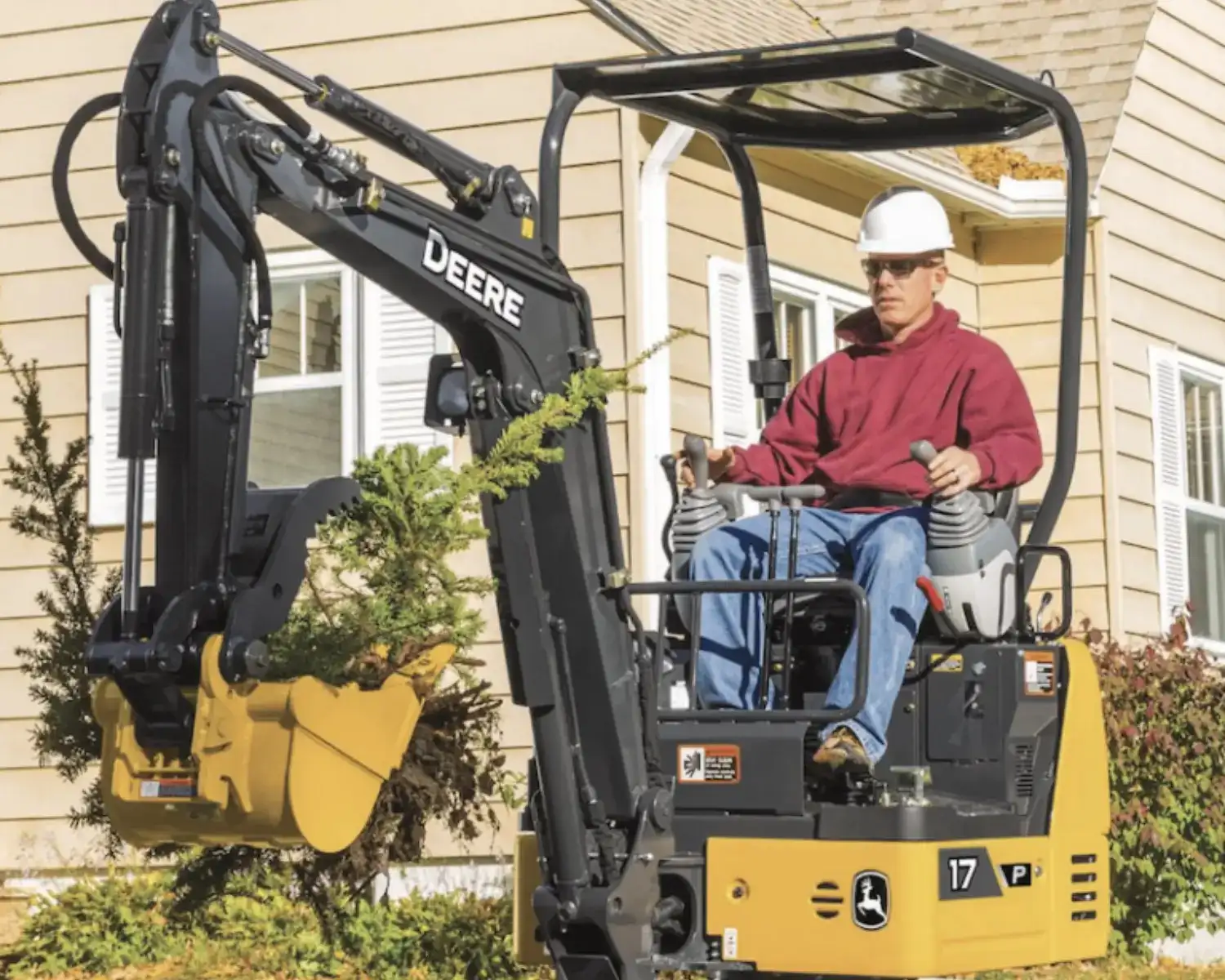
If you’re planning a construction, landscaping, or land-clearing project, one of the first questions you might ask is: Do you need a special license to rent a mini excavator? The short answer is usually no; most equipment rental companies allow you to rent a mini excavator without a special operator’s license. However, you must meet certain requirements such as being at least 18 years old, providing a valid ID, and agreeing to the rental terms.
For contractors, farmers, landscapers, and property owners searching for equipment rental near me or comparing mini excavator rental prices near me, understanding these rules can save time and prevent delays on the job site. Mini excavators are widely used for trenching, land preparation, grading, digging foundations, and clearing brush, especially when paired with attachments like a mini excavator brush cutter.
The good news is that renting compact machinery today is easier than ever. Rental providers like Rent Pro Co offer flexible rental options for earthmoving machines, aerial work platforms, material handling equipment, and agricultural tools to help contractors and property owners complete projects efficiently.
In this guide, we’ll explain:
- Whether a license is required to rent a mini excavator
- Safety and legal considerations for operating heavy machinery
- The benefits of renting vs. buying equipment
- Tips for choosing the right machine for your project
- Frequently asked questions about equipment rentals
By the end of this article, you’ll understand everything you need to know before renting a mini excavator or other construction equipment.
Do You Need a License to Rent a Mini Excavator?
 In most cases, you do not need a special license to rent a mini excavator from an equipment rental provider. Rental companies primarily require:
- A valid government-issued ID
- Proof that the renter is 18 years or older
- Payment information and a rental agreement
These requirements are standard across many equipment rental services.
However, there are a few important exceptions depending on the situation.
Situations Where Certification May Be Required
Even though renting the machine usually doesn’t require a license, operating it professionally may require training or certification, especially on regulated job sites.
You may need training if:
- You are working on commercial construction projects
- The site requires OSHA safety compliance
- You operate machinery as part of a company workforce
For personal projects, such as backyard landscaping or property improvements, most homeowners can operate compact machinery without special permits.
Why Mini Excavators Are Popular for Small Projects
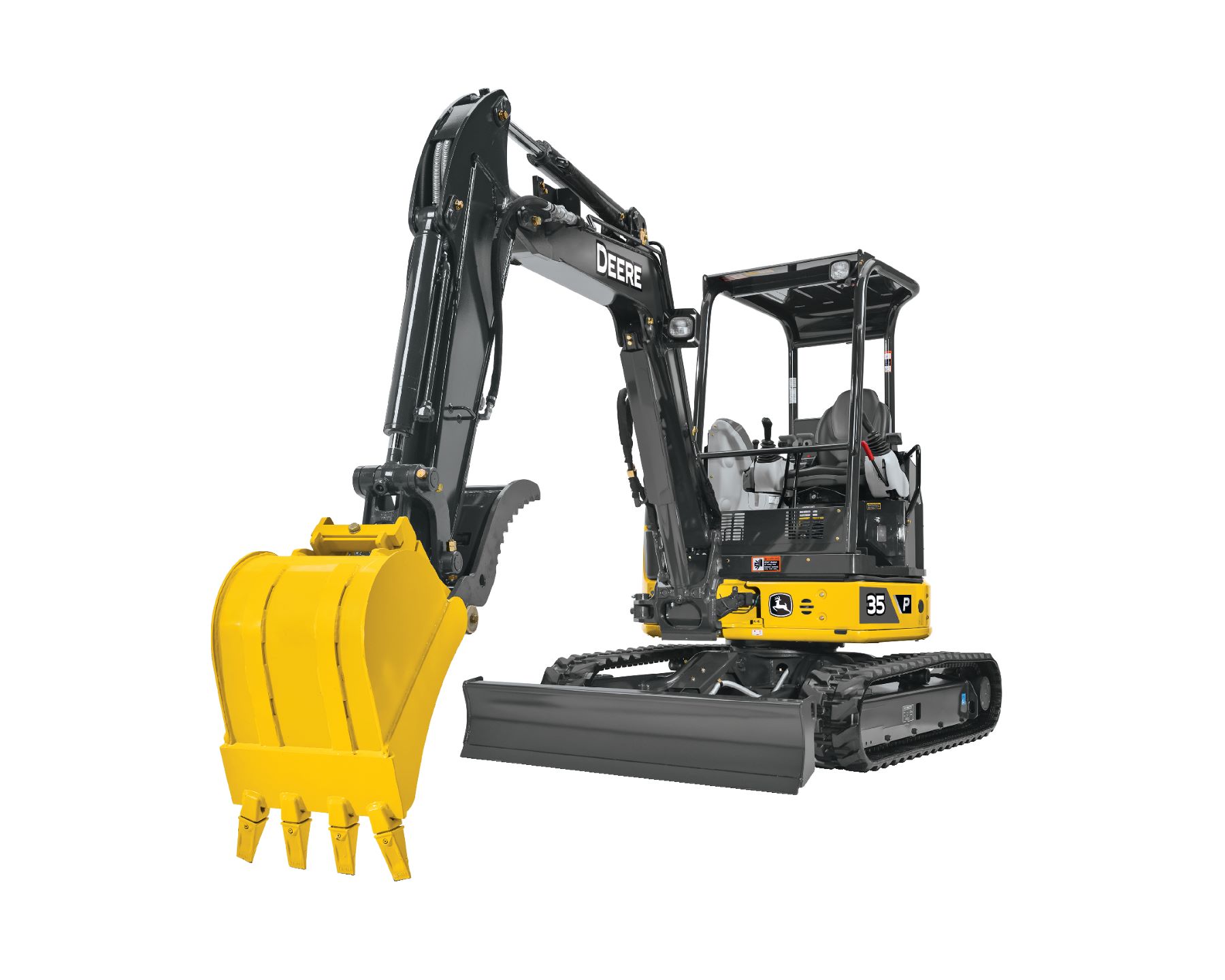
Mini excavators have become one of the most popular pieces of equipment in the rental industry. Their compact size, versatility, and efficiency make them ideal for small to medium-scale projects.
Common Uses
Mini excavators are commonly used for:
- Digging trenches for utilities
- Land clearing and site preparation
- Tree removal and stump grinding
- Landscaping and drainage work
- Fence or foundation installation
When paired with attachments like a mini excavator brush cutter, these machines can quickly clear overgrown vegetation and prepare land for development.
Contractors often combine them with other machines, such as mini skid steer rental equipment, for increased productivity on smaller job sites.

Types of Equipment You Can Rent for Job Sites
Modern rental providers offer a wide range of machines designed for different industries.
Earthmoving Equipment
Earthmoving machinery is essential for excavation, grading, and site preparation. These machines are designed to handle large volumes of soil efficiently.
Common examples include:
- Mini excavators
- Bulldozers
- Compact track loaders
- Off-road dump trucks
These machines are commonly used in construction and land development.
Aerial Work Platforms
For projects that require working at height, aerial equipment provides safe and efficient access.
Typical options include:
- Boom lifts
- Towable boom lifts
- Scissor lifts
These machines are widely used for building maintenance, tree trimming, and construction tasks requiring elevated access.
Material Handling Equipment
Material handling machinery helps move heavy materials around the job site.
Examples include:
- Forklifts
- Telehandlers
- Material lifts
These machines reduce manual labor and improve productivity when transporting pallets, beams, or construction materials.
Agricultural & Land Preparation Equipment
Farmers and land developers often rely on specialized machinery for property development.
These tools help with:
- Land clearing
- Soil grading
- Agricultural site preparation
Land preparation equipment helps transform raw land into productive farmland or construction-ready property.
Renting vs Buying Construction Equipment
One of the biggest decisions contractors face is whether to rent or purchase heavy machinery.
Benefits of Renting Equipment
Renting construction equipment offers several advantages:
- Lower Upfront Cost
Buying heavy equipment can require a large investment. Renting allows you to access modern machinery without the high purchase price. - No Maintenance Responsibilities
Rental providers maintain and inspect machines regularly, ensuring they are job-ready. - Access to the Latest Equipment
Renting allows contractors to use modern machines without worrying about equipment becoming outdated. - Flexibility for Short-Term Projects
Many projects only require specialized machinery for a few days or weeks. - Storage Savings
Heavy equipment requires storage space and transportation logistics when owned.
For many contractors searching for heavy equipment rental near me, renting offers the most practical and cost-effective solution.
Safety Tips When Operating a Mini Excavator
Even though a special license may not be required, operating heavy equipment safely is essential.
Follow These Safety Guidelines
- Inspect the Machine Before Use
Check hydraulic lines, tracks, attachments, and controls before starting the machine. - Understand the Controls
Take time to learn the controls before operating the equipment. - Wear Proper Safety Gear
Use PPE such as hard hats, gloves, and safety boots. - Watch for Underground Utilities
Always verify the location of gas, water, and electrical lines before digging. - Avoid Overloading the Machine
Operating within recommended limits prevents accidents and equipment damage.
Proper training and safety awareness significantly reduce job site risks.
 Tips for Choosing the Right Equipment Rental
When selecting rental equipment, consider these factors.
Project Requirements
Determine what type of machine your project requires. Excavation work may require compact diggers, while lifting materials may require forklifts or telehandlers.
Attachments and Accessories
Attachments such as brush cutters, augers, or buckets increase machine versatility.
Rental Duration
Choose a rental period that matches your project timeline to avoid unnecessary costs.
Local Availability
Working with a local provider ensures faster delivery, support, and maintenance if needed.
Frequently Asked Questions
1. Can homeowners rent a mini excavator?
Yes. Many homeowners rent compact excavators for landscaping, trenching, and property improvement projects.
2. What is the average mini excavator rental price?
Rental prices vary based on machine size, rental duration, and attachments. Daily rentals are usually more affordable for short projects.
3. Do I need insurance to rent heavy equipment?
Insurance is often recommended to protect against damage during the rental period.
4. Can I rent attachments for excavators?
Yes. Rental companies typically offer attachments such as buckets, augers, forks, grapples, and hydraulic hammers.
5. How long can I rent construction equipment?
Rental periods can range from daily and weekly rentals to long-term leasing, depending on your project needs.
Conclusion
So, do you need a special license to rent a mini excavator? In most cases, the answer is no. As long as you meet basic requirements such as age verification and a valid ID, you can rent compact construction equipment for personal or professional projects.
However, operating heavy machinery safely and responsibly is essential. Contractors working on regulated job sites may need training or certification, depending on the project requirements.
If you’re searching for construction equipment rental, mini excavator rental prices near me, or reliable land preparation equipment rental, working with a trusted provider ensures you get the right machine for the job.
Rent Pro provides dependable rental solutions for contractors, farmers, landscapers, and property owners who need reliable equipment without the cost of ownership. With access to earthmoving machines, aerial lifts, material handling tools, and agricultural equipment, you can tackle any project efficiently and safely.
Whether you’re clearing land, digging trenches, or managing construction work, renting the right equipment helps you complete projects faster, safer, and more cost-effectively.