If you’ve ever tried running a skid steer on a Florida beach lot or a soaked construction site after a summer storm, you already know the problem: wheels dig in, spin out, and leave you stuck in the sand. That’s exactly why finding the right compact track loader rental Florida contractors trust has become one of the most searched equipment questions in the state this year. Sandy, sugar-fine soil along the coast and saturated clay pockets inland don’t behave like the firm ground most machines are designed for and picking the wrong loader can cost you a full day of productivity, or worse, a stuck machine and an expensive tow.
This guide breaks down exactly what to look for in a compact track loader for sandy soil, which brands actually hold up in Florida conditions, what it costs to rent one in 2026, and how to choose between a track loader and a skid steer for your specific job. Whether you’re grading a beachfront lot, clearing land in Central Florida, or landscaping a backyard in soft coastal fill, this is the only Florida-specific breakdown you’ll need.
Why Florida’s Sandy Soil Demands a Different Machine
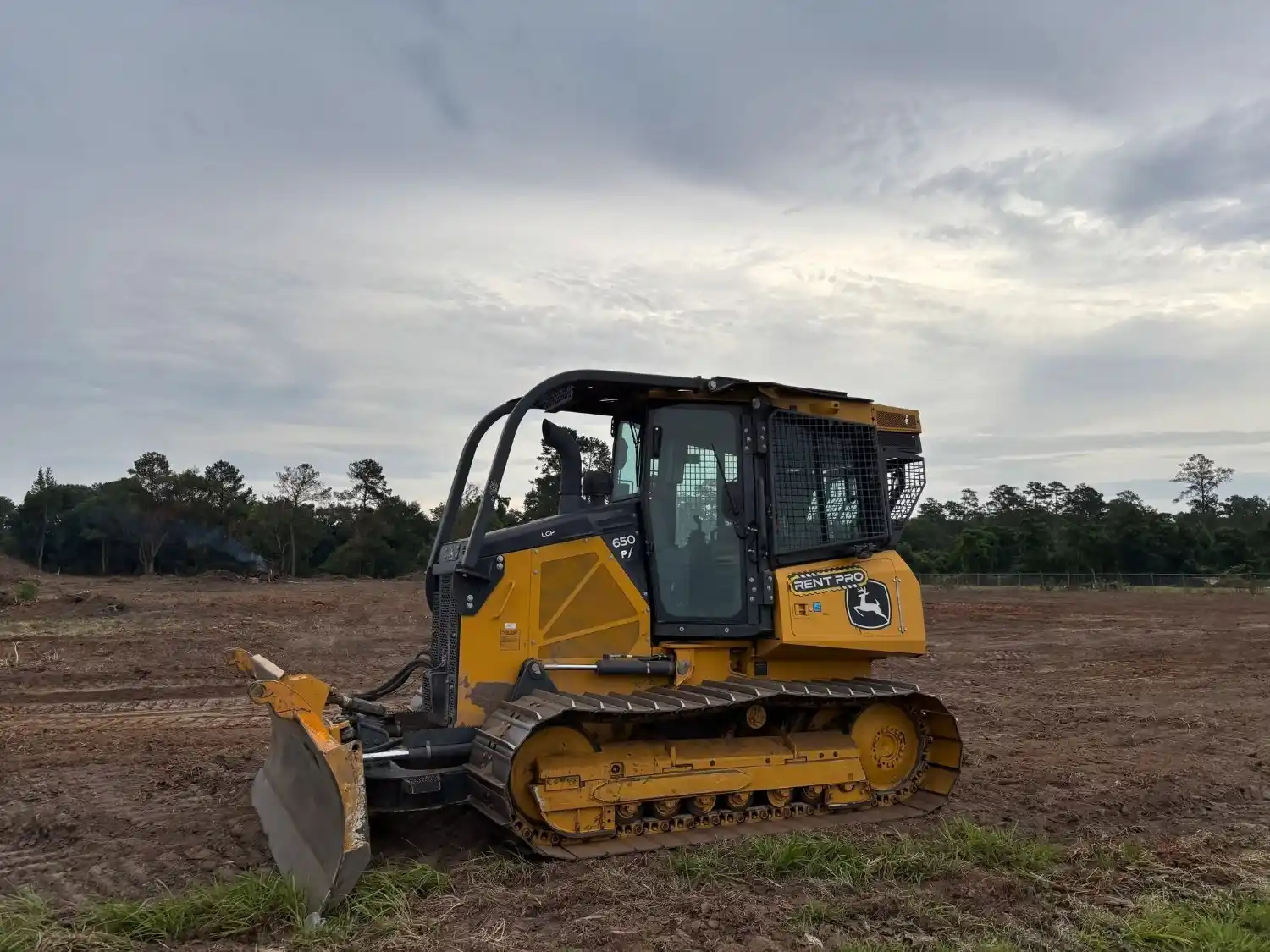
Florida isn’t like most states. Between the coastal sand belts, reclaimed wetlands, and high water tables, ground conditions shift dramatically from one job site to the next. A track loader for soft ground distributes weight across a much wider surface area than a wheeled machine, which is the entire reason tracked equipment performs better here. Instead of four small contact points pressing into loose sand, a rubber track spreads that same weight over several feet, keeping the machine floating on top of the surface instead of sinking into it.
This matters most in three scenarios: beachfront and dune-adjacent lots, freshly graded fill dirt that hasn’t compacted yet, and low-lying areas near retention ponds or wetlands where the water table sits just below the surface. In all three, a wheeled loader will bog down fast, while a properly matched CTL keeps working.
Compact Track Loader vs Skid Steer: Which Wins in Florida?
The compact track loader vs skid steer debate comes up on almost every job quote in this state, and the honest answer depends on ground conditions, not brand loyalty.
Skid steers are lighter, cheaper to rent by the day, and easier to transport, which makes them fine for hard-packed driveways, gravel lots, and dry inland job sites. But the moment you’re working on beach sand, muddy pasture, or freshly filled lots, a track loader takes over. Rubber tracks provide dramatically better flotation and traction, reduce ground disturbance on finished landscaping, and give operators more confidence on uneven or sloped terrain. The tradeoff is a slightly higher rental rate and a bit more care needed during transport but for most Florida sites, that tradeoff is worth it.
Best Compact Track Loader Brands for Florida Soil
Not every CTL on the market is built the same way, and Florida’s conditions expose weak undercarriage design fast. Here’s how the major brands stack up for local ground conditions.
Bobcat compact track loader models remain a favorite among Florida landscapers and small contractors for their tight turning radius and reliable hydraulics, making them ideal for residential lots and tighter job sites.
CAT compact track loader machines tend to shine on larger commercial and grading jobs, offering strong breakout force and a smoother ride on uneven fill dirt.
John Deere compact track loader units are known for excellent visibility and comfortable cabs, which matters on long grading or land-clearing days in Florida heat.
Kubota compact track loader models are praised for fuel efficiency and a smooth, low-vibration ride, a solid pick for landscaping and hardscape work.
Takeuchi compact track loader machines are often the go-to for operators who prioritize undercarriage durability, which counts for a lot when you’re running tracks through wet, gritty coastal sand daily.
Best Compact Track Loader for Landscaping and Grading Work
If your work leans toward finished results rather than heavy excavation, the best compact track loader for landscaping is typically a smaller-frame model with a lower ground pressure rating. These machines protect sod, irrigation lines, and finished grading while still giving you enough lift capacity to move mulch, pallets of pavers, or small trees.
For compact track loader for grading work specifically, look for a machine with a smooth hydrostatic drive and a wide bucket option this combination lets operators feather the blade for finer grade control, which is critical when you’re prepping a lot for sod or a slab pour on shifting sandy base material.
Attachment flexibility is another reason CTLs dominate this space. Compact track loader attachments like grading blades, box blades, brush cutters, augers, and pallet forks let a single rental cover multiple phases of a project without swapping machines, which saves both time and rental cost.
Track Loader for Land Clearing and Beach or Coastal Projects
Clearing overgrown lots in Central or South Florida brings its own challenges, dense brush, root systems, and often soft, unpredictable ground underneath. A track loader for land clearing paired with a brush cutter or root rake attachment handles this far better than a wheeled machine, since the tracks maintain traction even as the ground gets chewed up during clearing.
Coastal and shoreline work is its own category. A compact track loader for beach sand needs wider tracks and lower ground pressure than a standard grading machine, since fine beach sand behaves almost like a liquid under concentrated weight. If you’re working near dunes, seawalls, or beachfront construction, always confirm with your rental provider that the specific unit is rated for loose, fine sand, not just general soft ground.
Compact Track Loader Rental Cost in Florida (2026)
Track loader rental cost Florida pricing typically falls into a few tiers depending on machine size and rental length. Smaller CTLs (under 2,000 lb operating capacity) generally run in the lower daily range, mid-size machines used for most landscaping and grading jobs sit in the middle tier, and larger commercial-grade units cost more per day but often include better weekly and monthly discounts. Renting by the week or month almost always brings the effective daily rate down significantly compared to single-day rentals, so if your project runs longer than three or four days, ask about weekly pricing upfront.
Other cost factors include delivery distance, attachment add-ons, fuel responsibility, and whether operator insurance is required. Always get a written quote that separates the base rental rate from delivery and attachment fees so there are no surprises on the final invoice.
Why Trust Us
Rent Pro has spent years supplying heavy equipment rental Florida contractors, landscapers, and homeowners rely on for jobs ranging from small backyard grading to full commercial land clearing. Our team inspects every rubber track loader Florida customers rent, matches machines to actual soil conditions before delivery, and stands behind every unit with responsive local support because we know a stuck machine on a job site costs you more than the rental itself.
Choosing the Right CTL Rental Partner
Beyond brand and size, the rental company matters just as much as the machine. A reliable CTL rental Florida provider should offer same-week availability, transparent pricing, well-maintained equipment, and staff who can actually recommend the right machine for your soil type, not just whatever’s sitting on the lot. For sandy terrain especially, ask directly whether the unit has been used successfully on similar ground before, and request tread width specs if you’re working near the coast.
If you’re comparing a tracked skid steer rental against traditional wheeled options, or trying to figure out the right construction equipment for sandy soil on your specific lot, a quick call with a knowledgeable rental team will save you far more time than researching specs alone.
Frequently Asked Questions
What makes a compact track loader better than a skid steer on sandy ground?
Rubber tracks spread the machine’s weight across a much larger surface area than wheels, which prevents sinking and keeps traction steady on loose, sandy, or wet Florida terrain throughout the workday.
Which compact track loader brand handles Florida’s wet, sandy soil best?
Takeuchi and CAT are frequently praised for undercarriage durability in gritty, wet conditions, while Bobcat and Kubota are strong choices for lighter landscaping and residential grading work.
How much does it cost to rent a compact track loader in Florida for a week?
Weekly rates vary by machine size and attachments, but renting weekly instead of daily typically lowers your effective daily cost significantly, especially on mid-size grading and landscaping units.
Can a compact track loader work on beach or dune sand?
Yes, but only models with wider tracks and lower ground pressure ratings are truly suited for fine, loose beach sand, so confirm specs with your rental provider before booking.
Do I need a special license to rent and operate a track loader in Florida?
Most rental companies don’t require a special license for compact equipment, though some require proof of basic operating experience or offer a short walkthrough before pickup.
Final Thoughts and Next Steps
Choosing the right compact track loader for sandy Florida soil comes down to matching ground pressure, track width, and attachment options to your actual job site not just grabbing the cheapest machine available. Whether you’re grading a coastal lot, clearing overgrown land, or finishing a landscaping project, the right CTL rental saves you time, protects your site, and keeps your project on schedule.
Ready to get the right machine for your soil conditions? Reach out to Rent Pro today at rentproco.com to check availability, compare attachment options, and get a same-week compact track loader rental quote for your Florida project.