So you’ve decided to dig a pond. Maybe it’s a farm pond on your Georgia property, a stormwater retention basin in Central Florida, or a backyard fishing hole you’ve been dreaming about for years. Whatever the reason, the next question is almost always the same: What size excavator do I actually need?
Rent too small and you’ll spend twice as long on the job. Rent too big and you’re paying for power you can’t even use on your site. Getting that size right from the start saves you real money and a lot of headaches. This guide is built specifically for landowners and contractors navigating excavator rental for pond digging in Georgia and Florida, where the soil, terrain, and regulations all play a role in the decision.
Why Georgia and Florida Are Unique for Pond Excavation
Before diving into machine sizes, it’s worth understanding why these two states present conditions you won’t find everywhere else.
Georgia has a wide range of soil types, from red clay in the Piedmont region to sandy loam in the coastal plains. Red clay holds water beautifully, which is great for pond retention. But it’s dense, heavy, and hard on equipment. You need a machine with real digging force, not just weight, which is why Georgia landowners rely on Rent Pro for the right excavator on tough clay jobs.
Florida presents a different challenge entirely. Much of the state sits on sandy, loose soil with a high water table. In areas like Central and North Florida, you can hit standing water within a few feet of digging. That changes your equipment needs significantly, because you’ll need a machine stable enough to work near saturated ground without sinking.
Both states also have environmental regulations around wetlands and water bodies, so it’s worth checking with your county extension office or the Army Corps of Engineers before you break ground – especially if your pond will be near natural water ways.
Excavator Size Classes: A Practical Breakdown
Excavators are generally grouped by operating weight and bucket capacity. Here’s how those classes translate to real pond-digging scenarios:
Mini Excavators (1 to 6 tons)
These compact machines work well for small decorative ponds or garden water features. They’re manoeuvrable in tight spaces and won’t tear up your yard, but they’ll struggle on anything larger than a shallow quarter-acre pond. If you’re working in a residential backyard in Florida with limited access, a mini excavator might be your only option and it can still get the job done with enough time.
Mid-Size Excavators (6 to 15 tons)
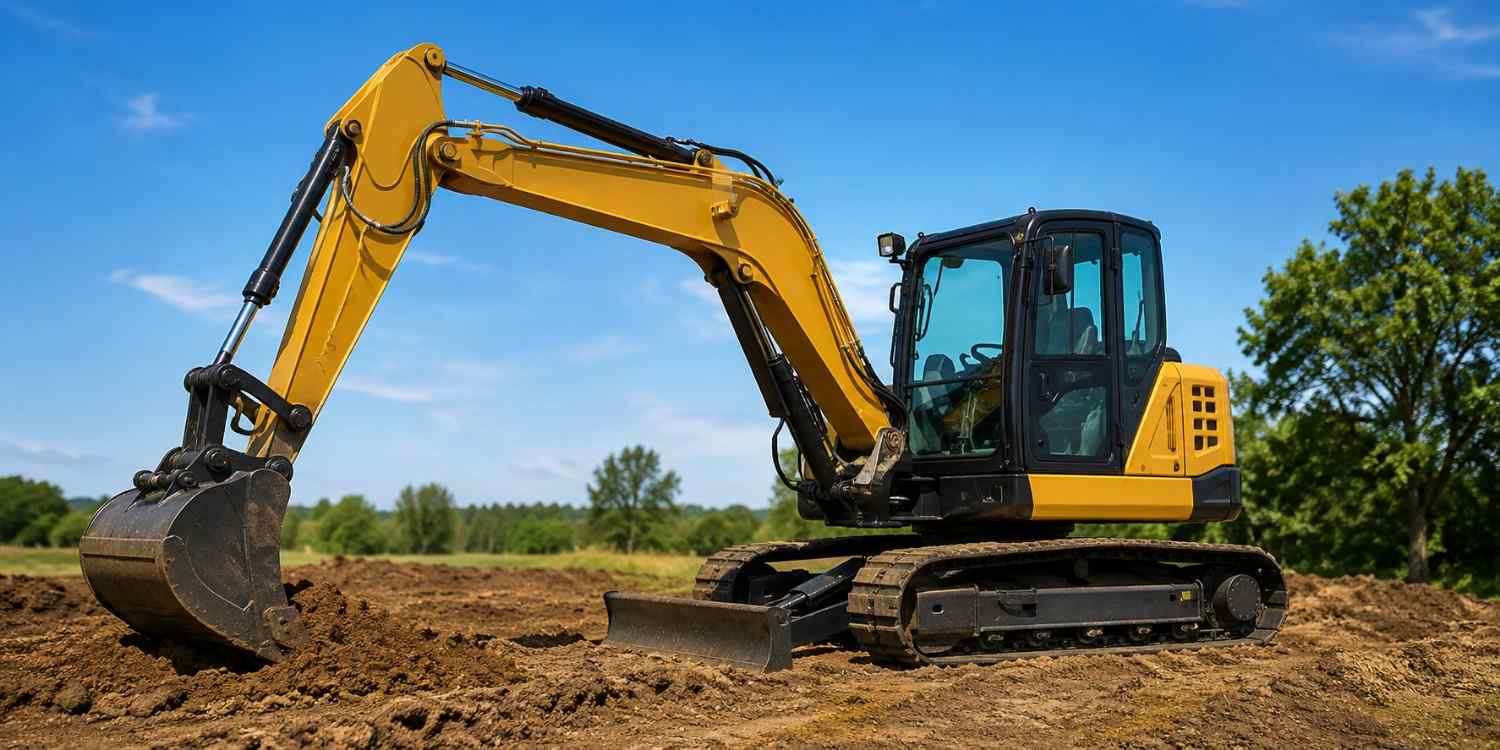
This is the sweet spot for most residential and small agricultural pond projects. A machine in the 10 to 13-tonne class is typically what you want for the following:
- Farm ponds up to half an acre in Georgia red clay
- Retention ponds in Florida’s sandy soils
- Fishing ponds between 0.25 and 1 acre
- Jobs where site access is moderate but not wide open
These machines offer a good reach (usually 18 to 22 feet), strong digging depth, and they’re manageable on a standard flatbed trailer.
Large Excavators (15 to 30+ tons)
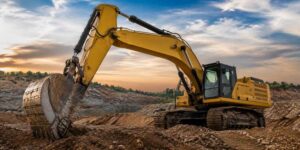
For serious earthmoving, ponds over an acre, commercial retention basins, or sites where you need to move material fast, you’re looking at the big machines. These require more planning around transport, site prep, and fuel costs, but when you need depth and volume, there’s no substitute.
Matching Machine Size to Pond Type
The right excavator isn’t just about pond size. It’s about what you’re digging through and how deep you need to go.
Backyard or Decorative Ponds (under 0.1 acre, 3 to 5 feet deep)
A mini excavator in the 3 to 5-ton range handles this comfortably. Rental costs for these machines typically run $300 to $500 per day depending on location.
Farm or Livestock Ponds (0.25 to 1 acre, 6 to 10 feet deep)
This is the most common request for excavator rental pond digging Georgia and Florida projects. A 10 to 13-ton excavator is almost always the right call. You get enough arm reach to slope the pond banks correctly, adequate bucket capacity, and the pushing power to handle Georgia clay without stalling.
Retention or Stormwater Ponds (1 to 3 acres)
Here you’ll likely want a 20-ton machine, possibly paired with a dozer for moving spoil material away from the dig area. Florida counties often require specific pond designs for stormwater management, so having a bigger machine means you can hit the required depth, often 8 to 12 feet in a reasonable timeframe.
Key Factors That Affect Your Equipment Choice
Renting the right machine isn’t just about the size of your pond on paper. Before calling a rental company, think through these factors:
- Soil type: Dense clay in Georgia needs more breakout force; sandy Florida soil moves easier but can cause track slippage near the waterline
- Water table depth: In many Florida counties, you’ll hit water within 3 to 4 feet, plan for dewatering if needed
- Pond depth goals: Deeper ponds need longer arm reach; standard mini excavators often max out at 8 to 10 feet of dig depth
- Site access: Can a flatbed truck deliver a 20-ton machine to your property, or do you need a compact machine that fits through a gate?
- Spoil removal: Where are you putting the dirt? Larger machines move more material per pass, which matters if you’re building berms or loading trucks
Excavator Rental Costs in Georgia and Florida
Pricing varies by region, machine size, and rental duration. That said, here are general benchmarks:
Rental companies in both states typically offer daily, weekly, and monthly rates. Weekly rentals usually offer 20 to 30 percent savings compared to renting by the day, which matters a lot on a multi-day pond project.
- Mini excavators (3 to 6 tons): $300 to $600/day, $1,200 to $2,200/week
- Mid-size excavators (10 to 15 tons): $700 to $1,200/day, $2,500 to $4,500/week
- Large excavators (20 to 30 tons): $1,200 to $2,000+/day
Delivery and pickup fees are separate and can add $200 to $500 depending on distance. Always ask your rental company to confirm what’s included.
Tips Before You Rent
A few things experienced contractors always check before committing to a rental:
- Call 811 before you dig: Georgia and Florida both require utility line notification before any excavation
- Check for permits: Some counties require grading permits for ponds over a certain size
- Ask about operator experience requirements: Some rental companies require proof of experience for larger machines
- Inspect the machine on delivery: Document any pre-existing damage before operating
- Plan your spoil pile location: You’ll be moving a lot of dirt; know where it’s going before you start
FAQ: Excavator Rental for Pond Digging in Georgia and Florida
What size excavator do I need to dig a 1-acre pond?
For a 1-acre pond, you’ll generally want a 15 to 20-tonne excavator. This gives you the reach, bucket capacity, and power needed to hit proper depth, typically 8 to 10 feet, and shape the banks correctly. In Georgia clay, lean toward the higher end; in Florida’s sandy soils, a 15-ton machine often handles the job efficiently.
How long does it take to dig a pond with an excavator?
A half-acre pond typically takes 2 to 5 days depending on soil conditions, machine size, depth, and operator experience. Harder clay soils in Georgia take longer than loose sandy soils in Florida, but Florida’s high water table can add dewatering time. A professional operator on a mid-size machine can move 200 to 400 cubic yards per day under good conditions.
Do I need a permit to dig a pond in Georgia or Florida?
It depends on your county and the pond’s size and location. In Georgia, ponds near streams or wetlands often require a 404 permit from the Army Corps of Engineers. In Florida, the water management districts have jurisdiction over ponds affecting wetlands or floodplains. Always check with your local county planning office before digging.
Can I rent an excavator without an operator in Georgia and Florida?
Yes, most rental companies in both states offer bare rental (machine only, no operator). However, operating a large excavator without experience can be dangerous and may damage the machine, leading to additional charges. If you’re not experienced with heavy equipment, hiring a licensed operator or a pond-digging contractor is a smarter move financially and safety-wise.
What is the average cost to dig a pond in Georgia or Florida?
DIY excavation using a rental machine might cost $2,000 to $8,000 total depending on pond size, rental duration, and fuel. Hiring a professional pond excavation contractor typically runs $5,000 to $25,000+ for a farm pond, depending on size and complexity. Florida projects can run higher if dewatering or special permits are involved.
Is it cheaper to rent or hire a contractor for pond digging?
Renting and operating the machine yourself is cheaper upfront but requires skill, time, and physical effort. Hiring a contractor costs more but usually gets better results faster, especially for ponds over half an acre. For most first-time projects, the combination of rental cost, fuel, and the learning curve often makes professional excavation worth the extra expense.
Final Thoughts
Choosing the right excavator for pond digging in Georgia or Florida comes down to knowing your soil, understanding your site, and being honest about the scope of the project. A 10 to 13-tonne machine covers the vast majority of residential and small agricultural pond jobs in both states. Go smaller if access is tight; go bigger if you’re moving serious volume or working on hard clay.
Whatever you decide, take the time to plan the job before the equipment shows up. Know your utility lines, check your permits, and have a clear picture of where the spoil is going. The rental itself is the easy part, the preparation is what makes the difference between a smooth dig and a costly mess.
If you’re still unsure what size fits your specific project, most equipment rental companies in Georgia and Florida will walk you through the options over the phone. They want the machine to work for your job just as much as you do.