Heavy equipment rental saves more money when equipment use is short-term, seasonal, or project-based. Buying saves more when utilisation is high and consistent year-round.
However, the real decision depends on cash flow, utilisation rate, tax strategy, maintenance capacity, growth plans, and project stability. Contractors across the United States, including growing markets like Quitman, GA, Tallahassee, FL, Ocala, FL, and Gainesville, FL, are shifting toward smarter, more flexible equipment strategies.
Whether you’re considering heavy equipment rental from Rent Pro, exploring construction equipment rental, or evaluating long-term ownership, this guide breaks down the real numbers and the strategic advantages behind each option.
The Real Cost of Buying Heavy Equipment
At first glance, buying equipment feels like the stronger move. You own the asset. It’s available anytime. There are no recurring rental fees.
But ownership carries layered financial responsibility.
When purchasing earthmoving equipment such as excavators, dozers, or even a compact machine like the 317G Compact Track Loader, the upfront cost is only the beginning.
Beyond the purchase price, you must consider:
- Down payment or full purchase
- Financing interest
- Insurance coverage
- Transportation and setup
- Registration and compliance
- Storage infrastructure
That capital becomes locked into a depreciating asset.
For growing contractors, that money could otherwise be used for hiring skilled labour, expanding marketing efforts, bidding larger contracts, or entering new service areas.
Ownership reduces liquidity.
Depreciation and Market Shifts
In today’s market, heavy machinery depreciates faster due to emissions standards, evolving engine technology, and digital integrations. Equipment purchased today may lose significant resale value within a few years.
If you’re investing heavily in earthmoving machinery from your fleet, you’re also betting on stable resale conditions.
That risk should not be underestimated.
Maintenance and Downtime Risk
When you own equipment, you own the risk.
Routine servicing, hydraulic repairs, electronic diagnostics, and parts replacement all fall on you. Unexpected breakdowns can stall a project, and downtime eats into profit margins quickly.
If your machine fails mid-job in Tallahassee or Ocala, you may face:
- Project delays
- Labor inefficiency
- Client dissatisfaction
- Emergency repair expenses
Ownership transfers operational risk entirely to your business.
The Financial Structure of Heavy Equipment Rental

Heavy equipment rental transforms large capital investments into predictable operational expenses.
When you choose construction equipment rental from a professional provider like Rent Pro Co, you typically pay for:
- Daily, weekly, or monthly rental terms
- Delivery and pickup
- Optional damage protection
- Fuel usage (if applicable)
There’s no long-term commitment and no resale concerns.
This structure keeps your business agile.
What Rental Eliminates
Rental removes:
- Depreciation loss
- Storage costs
- Major repair expenses
- Idle equipment overhead
- Resale market risks
If your machine sits unused 3–4 months per year, rental eliminates the financial burden of idle time.
For many contractors who use earthmoving equipment only during peak project cycles, this alone makes rental a financially smarter option.
Side-by-Side Financial Comparison
| Factor | Renting | Buying |
|
Upfront Cost |
Low | High |
| Depreciation | None |
Significant |
|
Maintenance Risk |
Minimal | Full |
| Flexibility | High |
Low |
|
Best for Seasonal Use |
Yes | No |
| Best for Daily Use | No |
Yes |
The decision isn’t emotional; it’s mathematical.
When Heavy Equipment Rental Saves More Money
Rental saves more money when:
- Projects are short-term
- Equipment use fluctuates
- Growth is uncertain
- Specialised machines are needed.
- Cash flow flexibility matters
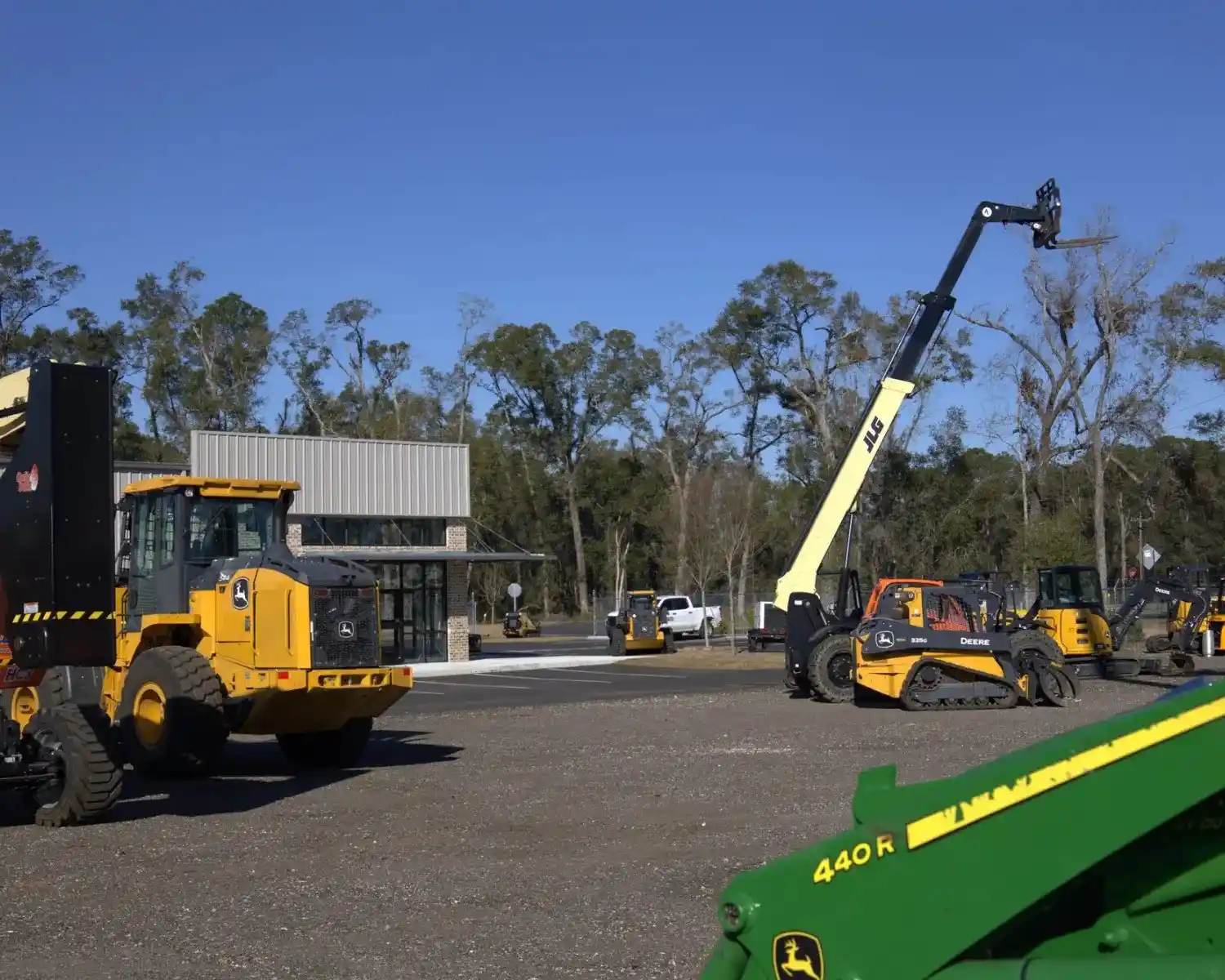
For example, if you’re taking on a commercial grading project and need additional units beyond your core fleet, renting through Rent Pro gives you access to modern, job-ready machines without a significant capital outlay.
Many contractors choose earthmoving equipment rental during seasonal expansion, then scale back afterwards.
Rental supports growth without permanent financial weight.
When Buying Makes Financial Sense
Buying makes sense when:
- Equipment is used daily
- Utilisation exceeds 70–80% annually.
- Long-term contracts are secure.d
- You have an in-house maintenance capability.
- You plan resale strategically.
If a contractor in Gainesville uses a compact track loader every single day across multiple jobs, ownership may provide long-term value.
But that depends on consistency.

Here’s what many successful contractors won’t openly discuss:
They combine ownership and rental.
For example:
- Own high-use machines like a compact track loader
- Rent larger earthmoving equipment for specific projects.
- Use short-term rentals during a demand spike.s
- Lease equipment during expansion phases
This approach reduces risk while maintaining scalability.
Instead of owning everything, smart contractors own strategically.
Cash Flow in 2026: The Competitive Advantage
Cash flow flexibility often determines whether a contractor scales or stalls. Heavy equipment rental preserves working capital.
That capital can fund:
- Workforce expansion
- Marketing investment
- Technology upgrades
- Competitive bidding
Ownership locks capital into assets that lose value over time.
Rental keeps your money working for you.
The Tax Perspective
From a tax standpoint, buying allows depreciation deductions and potential Section 179 advantages.
However, deductions may span multiple years.
Rental payments are typically treated as operational expenses, simplifying bookkeeping and providing clearer expense tracking.
Many small-to-mid contractors prefer the simplicity of rental accounting.
Always consult a qualified tax professional for specifics.
Utilisation Rate: The Most Important Metric
Before buying equipment, ask yourself:
How many days per year will this machine generate revenue?
If equipment sits idle 30–40% of the year, ownership costs increase dramatically.
Idle equipment still requires:
- Insurance
- Storage
- Maintenance
- Depreciation
Rental eliminates idle burden.
Why More Contractors Are Choosing Rental
Across the United States, contractors are shifting toward flexible equipment models.
Because:
- Project pipelines fluctuate
- Economic conditions remain dynamic.
- Clients demand efficiency
- Scalability wins over ownership pride.
Rental supports agility.
Companies that prioritise flexibility tend to outperform those heavily leveraged in fixed assets.
Why Work With Rent Pro?
Whether you choose rental, ownership, or a hybrid strategy, partnering with the right equipment provider matters.
Rent Pro supports contractors across:
- Quitman, GA
- Tallahassee, FL
- Ocala, FL
- Gainesville, FL
- Broader United States markets
With access to:
- Construction equipment rental solutions
- Earthmoving equipment
- Landscaping equipment rental
- Compact track loader,s including the 317G
- Aerial work platforms
- Material handling equipment
Our fleet supports construction, agricultural, and landscaping operations of all sizes.
If you need flexibility, scalability, and reliable performance,ce rental provides financial breathing room without sacrificing productivity.
Final Verdict: Does Heavy Equipment Rental Save More Money?
When equipment use is temporary, seasonal, or unpredictable.
No, when equipment is used daily with consistent high utilisation.
But the smartest decision isn’t strictly rental or buying.
Protect cash flow.
Minimise operational risk.
If your goal is growth without financial strain, heavy equipment rental often provides the edge in 2026.
And when you need reliable access to construction and earthmoving equipment, Rent Pro ensures the right machine is ready when your job demands it.