Choosing the right excavator size is one of the most important decisions on any job site because it directly affects productivity, cost, and whether the machine can even operate in your working space.
In real job-site scenarios, the biggest mistake isn’t choosing the wrong brand; it’s choosing the wrong size. Machines that are too large struggle with access, while smaller ones often fail to meet depth and lifting requirements.
This excavator size guide is built to help you avoid those costly mistakes by breaking down excavator sizes based on real usage, site conditions, and practical decision-making, not just specifications.
Excavator Size Selector
If you don’t want to read everything, use this:
- Tight space or residential work Mini excavator (like 17P or 26P compact models)
- Medium projects needing balance Midi excavator (35P–60P range)
- Foundation / construction work Standard excavator (85P–210P models)
- Heavy-duty or large-scale projects Large excavator
This quick guide alone solves most user queries instantly.
Why This Guide Is Different
Most blogs only list excavator sizes. But real users ask:
- What size excavator do I actually need?
- Will a mini excavator be enough?
- How do I avoid overspending?
This guide answers real questions with real job-site insights + practical decision-making, not just definitions, making it easier whenchoosing the right excavator for your project.
Why Choosing the Right Excavator Size Matters
From real project scenarios:
- A contractor chose a large excavator for a tight residential job couldn’t access the site wasted time & money
- Another used a mini excavator for deep trenching had to re-rent a bigger machine
The result? Double cost + project delays
Correct sizing helps you:
- Avoid choosing the wrong excavator
- Reduce project delays
- Save fuel and rental costs
- Improve job site efficiency
Excavator Size Categories
1. Mini Excavator (Compact Excavator)
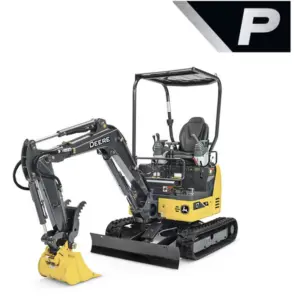
A mini excavator (or compact excavator) is ideal for precision work. Mini excavators typically offer digging depths between 6 and 10 feet, depending on configuration. On residential drainage projects, compact excavators are often chosen because they can operate in spaces under 5 feet wide without damaging surrounding structures.
On tight residential sites like backyard drainage or utility trenching, compact excavators in the 1.7–3 ton range are often preferred because they can pass through standard gate widths and operate without damaging finished surfaces.
Common models used:
- 17P Compact Mini Excavator
- 26P Compact Excavator
- 35P Compact Excavator
Common successful uses:
- Backyard trenching
- Drainage work
- Indoor demolition
A mini excavator is often the best excavator for small projects where access and precision matter most, and Rent Pro provides reliable compact options to get the job done efficiently.
2. Midi Excavator (Balanced Power Option)
This is the sweet spot between size and performance.
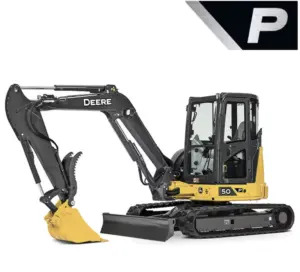
- 50P Compact Excavator
- 60P Compact Excavator
For mid-size construction projects, midi excavators are preferred when:
- Space is limited, but not extremely tight
- More reach is required than a mini excavator
Ideal when a mini excavator feels underpowered, but a full-size machine is too large.
3. Standard Excavator (Most Popular )
This is the industry standard for construction projects.
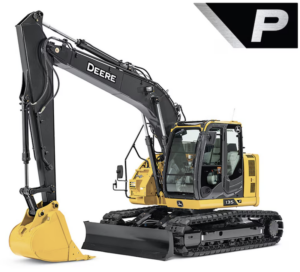
Common models:
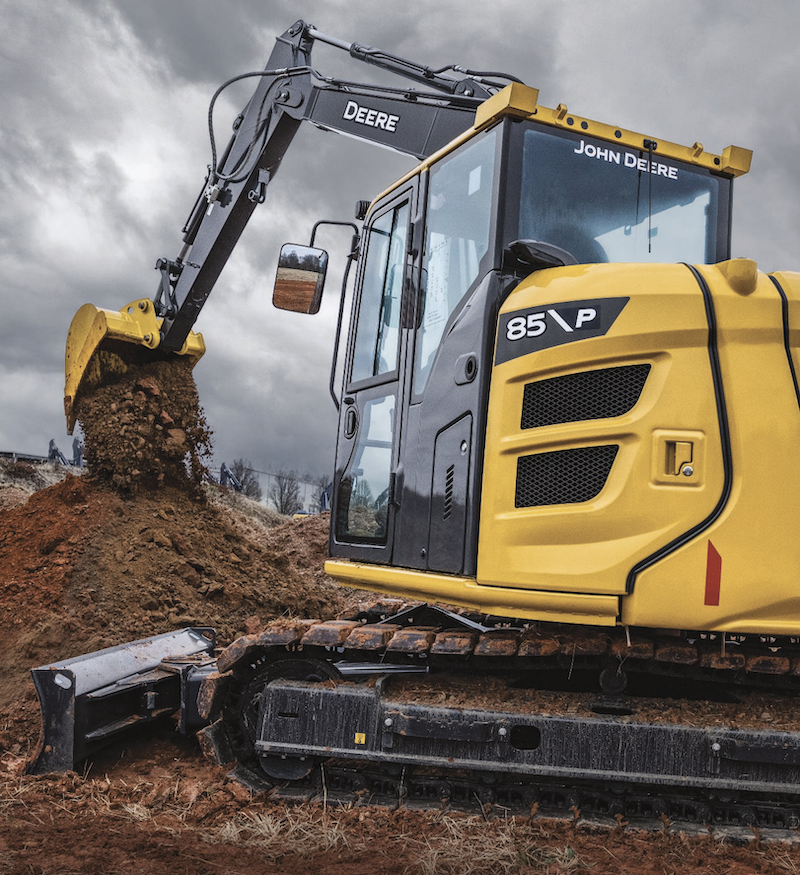
- 85P Mid-Size Excavator
- 135P Mid-Size Excavator with blade & thumb
- 210P Mid-Size Excavator with thumb
Most standard excavators operate in the 19–24 ton range, commonly used across commercial construction sites.
Standard excavators not only provide greater digging depth but also improve cycle times, allowing operators to move more material per hour compared to compact machines.
Contractors choose this size because:
- It handles foundation work efficiently
- Supports multiple hydraulic attachments
- Covers large areas faster
This is often the safest choice when choosing the right excavator for construction work.
4. Large Excavator
Built for maximum power and capacity. Often used alongside other heavy equipment from Heavy Equipment Rental.
Primarily used for:
- Large-scale excavation
- Infrastructure projects
- Demolition
However, many users overestimate their needs, leading to higher costs and operational challenges.
Excavator Size Chart
| Size | Best For | Key Benefit |
| Mini Excavator | Small projects | Easy access |
| Midi Excavator | Medium jobs | Balanced performance |
| Standard Excavator | Construction | High productivity |
| Large Excavator | Heavy-duty | Maximum power |
Mini vs Standard Excavator: Real Job Comparison
- Mini excavator better for precision, tight spaces, residential work
- Standard excavator better for speed, volume, and heavy loads
Real example: A trench that takes 2 days with a mini excavator can often be completed in a few hours with a standard excavator if space allows.
How to Choose the Right Excavator
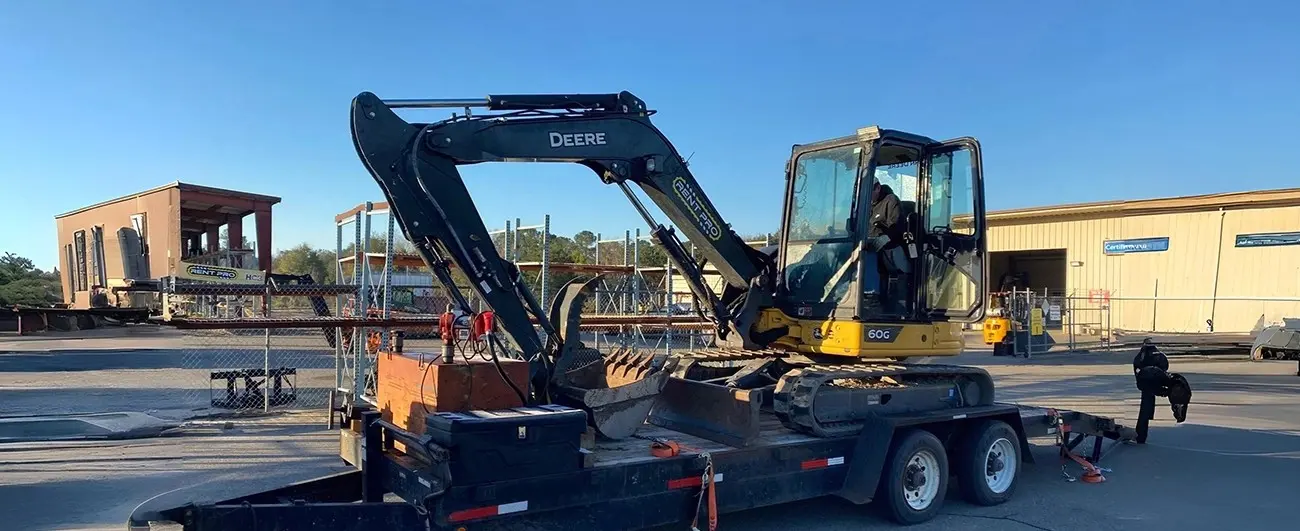
1. Digging Depth
Many users underestimate depth requirements.
Always choose slightly more capacity than your minimum need.
2. Bucket Capacity
- Bigger bucket = faster work
- Smaller bucket = better control
Match bucket size with job type.
3. Worksite Conditions
From real rental scenarios:
- Tight urban space mini excavator
- Open land standard excavator
Site conditions often matter more than machine size.
4. Lifting Capacity
If lifting heavy materials:
- Standard or large excavators are required.
- Often combined with material Handling Equipment.
5. Transportation & Accessibility
The machine is perfect, but can’t reach the site.”
Smaller machines are easier to transport and deploy.
6. Attachments & Versatility
Check options under
Equipment Attachments
7. Budget & Cost Efficiency
- Too small delays + rework
- Too high unnecessary cost
Focus on cost-effective equipment choice.
What Real Customers Look for in Excavator Rentals
- On-time delivery matters more than price
- Correct machine recommendation saves more money than discounts
- Well-maintained equipment reduces downtime
Choosing the right excavator size from the beginning often prevents costly re-rentals, reduces fuel usage, and keeps projects on schedule, something experienced contractors prioritize on every job with Rent Pro.
Mini Excavator vs Large Excavator
| Factor | Mini Excavator | Large Excavator |
| Use Case | Small jobs | Heavy-duty work |
| Cost | Low | High |
| Access | Easy | Limited |
| Power | Moderate | Very high |
FAQs
1. What size excavator do I need?
The right excavator size depends on your project type, required digging depth, and available space. For small or tight areas, a mini excavator works best, while larger construction projects usually require a standard or mid-size machine.
2. What can a 1-ton mini excavator do?
A 1-ton mini excavator is ideal for light-duty tasks like trenching, landscaping, digging small foundations, and utility work in tight spaces where larger machines can’t operate.
3. What size excavator is best for digging a pond?
For small ponds, a mini excavator is usually enough. For larger ponds or deeper digging, a standard excavator is better because it offers more reach and capacity.
4. Is a mini excavator enough for construction work?
Mini excavators are suitable for small construction jobs, but for foundation work or heavy-duty tasks, a mid-size or standard excavator is a better choice.
5. How the Right Equipment Improves Your Entire Job Site
- Pair with Skid Steer Rental for grading
- Use Earthmoving Equipment for large-scale work
- Combine with Backhoe Rental for versatility.
Final Excavator Size Recommendation
- Small residential or tight-access jobs Mini excavator (17P–35P)
- Medium construction or utility work Midi excavator (50P–60P)
- Commercial construction & foundations Standard excavator (85P–210P)
- Large-scale or heavy-duty excavation Large excavator
This removes confusion and helps you decide faster. Choosing the right excavator size is about matching machine capability with real job requirements. At Rent Pro, we understand that site conditions matter more than machine size. Most problems happen when people guess instead of planning. Get the Right Equipment for Your Project Talk to equipment experts, compare machine options, and choose the right excavator for your project so you can avoid delays, reduce costs, and get the job done efficiently.