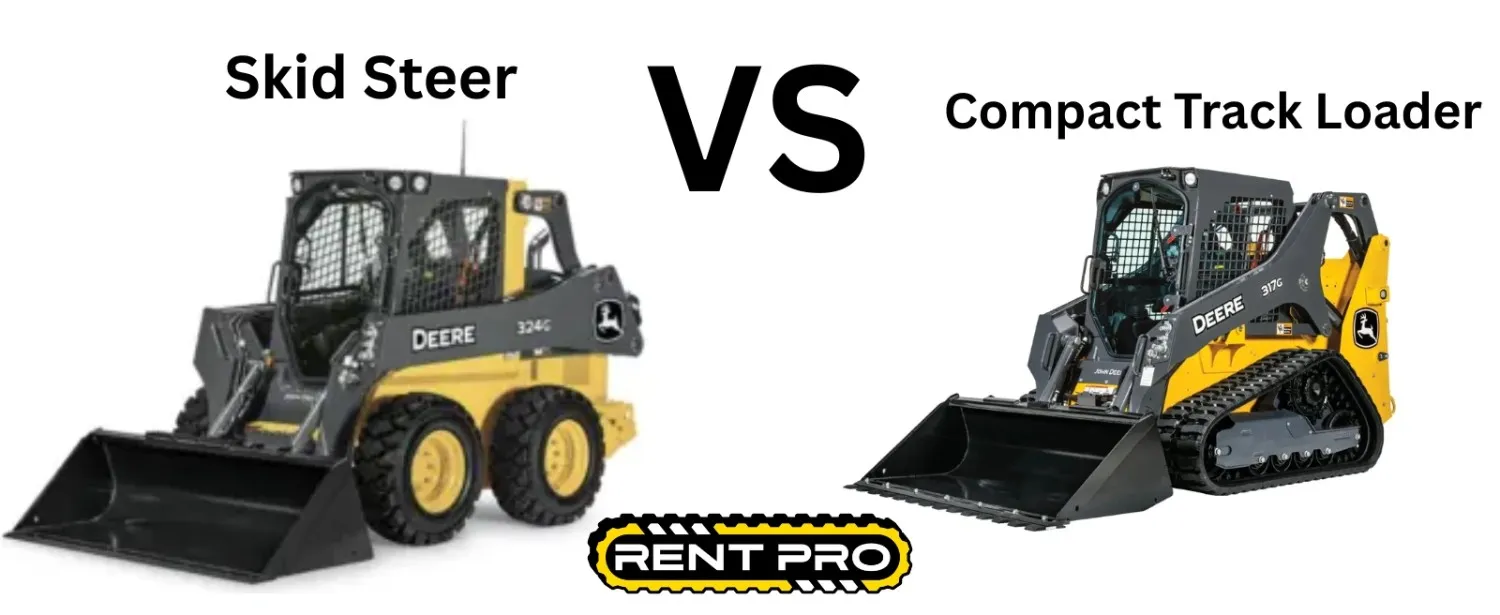
On paper, choosing between a compact track loader and a skid steer looks simple. Both machines are compact, versatile, and widely used across construction and landscaping projects. But in real working conditions, that decision rarely stays simple.
It usually shows up in the middle of a job when the machine you selected starts behaving differently than expected. What looked like firm ground turns out to be soft underneath. The machine begins to lose traction. Tasks that should take hours begin stretching into days, and suddenly the entire workflow slows down.
At that point, the question changes. It’s no longer about comparing machines; it becomes about whether the right choice was made in the first place.
Most people searching for terms like skid steer rental near me or compact track loader rental near me are trying to avoid exactly this situation. They’re not interested in technical specifications; they want clarity. They want to choose equipment that actually works for their job conditions.
This guide is built around that reality. Not theory, not generic comparisons, but what actually happens when these machines are used on real job sites.
Skid Steer: How It Performs in Real Job Conditions

In many projects, a skid steer is the first machine people consider. It’s compact, easy to transport, and performs extremely well when the environment supports it. On stable surfaces like concrete, asphalt, or well-compacted soil, it delivers speed, control, and efficiency.
The biggest advantage becomes obvious the moment you start working in tight spaces. A skid steer can turn almost in place, which allows it to move freely in areas where larger equipment would struggle. This makes it especially useful for:
- Residential work
- Urban construction zones
- Confined job sites
In real scenarios, this translates directly into productivity. You spend less time repositioning and more time completing tasks. Whether you’re moving material, grading a driveway, or clearing debris, the machine responds quickly and keeps the workflow consistent.
However, all of this performance depends on one critical factor: ground conditions.
As soon as the surface becomes soft, wet, or uneven, the behavior of the skid steer begins to change:
- Wheels start losing grip
- Movement becomes less controlled
- The machine may spin or struggle for traction
Operators often find themselves adjusting constantly, trying to maintain control instead of focusing on the actual task.
This is where many projects lose time. The machine itself isn’t the problem; the mismatch between machine and terrain is.
Compact Track Loader: How It Performs in Real Job Conditions
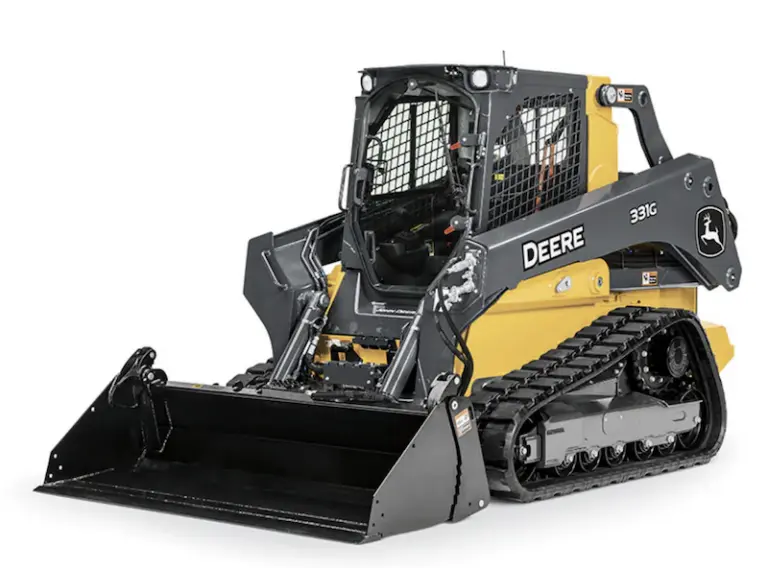
At first glance, a compact track loader may look like a skid steer, but the difference becomes obvious the moment conditions get difficult.
Instead of wheels, it uses tracks. That single difference changes how the machine interacts with the ground. On muddy, soft, or uneven terrain, the tracks distribute weight more evenly, which allows the machine to maintain traction and stability where wheeled equipment would struggle.
In real job situations, this means fewer interruptions. A track loader doesn’t require constant adjustments when the ground conditions are inconsistent. It continues moving, pushing, and lifting without losing balance or control.
This is why compact track loaders are commonly used for:
- Land clearing
- Grading
- Site preparation
These are environments where the ground is rarely perfect, and consistency matters more than speed.
Another noticeable difference is stability. When working on slopes or handling heavier loads, the machine feels more grounded. Operators can work with more confidence, which improves both safety and efficiency over long hours.
But like any equipment, it has its limits.
On hard, finished surfaces like asphalt or concrete, tracks are not as efficient:
- They can wear faster
- They don’t provide the same speed as wheels
- Maneuverability is reduced in tight spaces
In confined areas, the machine also requires more room to turn, which can slow down work compared to a skid steer.
The Real Difference Comes Down to Job Conditions
When you remove all the technical comparisons, the decision becomes straightforward. It’s not about which machine is better; it’s about which machine is better suited for your environment.
To make this easier to understand, here’s how both machines compare in real job conditions:
|
Factor |
Skid Steer | Compact Track Loader |
|
Best Surface |
Stable ground (concrete, asphalt, compacted soil ) | Soft, muddy, uneven, or loose terrain |
| Performance Style | Fast, responsive, and highly maneuverable |
Stable, controlled, and consistent |
|
Work Environment |
Tight spaces, urban jobs, residential projects | Open sites, rough terrain, land clearing |
| Strength | Speed and agility |
Traction and stability |
|
Limitation |
Struggles on soft or wet ground | Slower and less efficient on hard surfaces |
|
Ideal Use Case |
Jobs requiring quick movement and tight turns | Jobs requiring grip, balance, and heavy-duty work |
The mistake many people make is assuming both machines can perform equally in all conditions. While they may handle similar tasks, the way they perform those tasks can vary significantly depending on terrain.
Choosing the wrong machine doesn’t just affect performance; it affects time, effort, and overall project efficiency.
Equipment That Complements These Machines
In real job scenarios, these machines are often used alongside other equipment to complete tasks efficiently.
For example, after clearing or grading, material is often transported using a 716 Dump Trailer, which helps move debris quickly across the site.
For digging or drilling tasks, attachments like an Auger Bit can be used with both machines to expand their functionality.
And in areas where access is limited, a compact solution like the Boxer Walk Behind Skidloader 700HD provides flexibility that larger equipment cannot.
These combinations are what make projects efficient in real conditions.
Making the Right Rental Decision
Before choosing between a skid steer and a compact track loader, the most important step is understanding your job site.
Think about the surface you’re working on. Consider whether conditions might change during the project. Evaluate whether you need speed and maneuverability or stability and traction.
These factors matter more than specifications.
When you focus on how the machine will perform in your actual environment, the decision becomes much clearer.
Example: In some projects, operators start with a skid steer because the surface appears firm at first. But once excavation begins or moisture levels change, the ground softens. At that point, continuing with the same machine becomes inefficient, and switching to a compact track loader becomes necessary to maintain progress, something teams at Rent Pro often help identify early based on real site conditions.
If you’re planning your project, it’s also worth understanding whether renting or owning equipment makes more sense, depending on
FAQs
1. Is a compact track loader better than a skid steer?
It depends entirely on the job conditions. Track loaders perform better on soft or uneven terrain, while skid steers are more efficient on hard surfaces and in tight spaces.
2. How many hours will a compact track loader last?
With proper maintenance, these machines can operate reliably for thousands of hours. Rental equipment is typically serviced regularly to ensure consistent performance.
3. What are the disadvantages of a skid steer?
The main limitation is traction. On soft or muddy ground, it may struggle to maintain grip, which can slow down work.
4. Is a skid steer better for snow?
On flat, paved surfaces, it performs well. However, for deeper snow or uneven terrain, a track loader offers better traction and stability.
5. What is the best equipment for land clearing?
A compact track loader is generally more effective due to its ability to handle rough terrain and maintain stability under heavy workloads.
Final Thought
If your project involves difficult terrain, changing conditions, or heavy-duty work, a compact track loader is the better option. There is no universal answer, only the right decision based on your job.
At Rent Pro, the goal isn’t just to provide equipment,t it’s to help you choose what actually works in real conditions. Because in the end, the success of your project often comes down to one decision:
Choosing the right equipment often comes down to experience with similar job conditions, not just specifications.